Loading image...


Indoor Fireplaces
Designed for maximum indoor flexibility
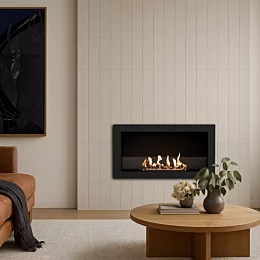
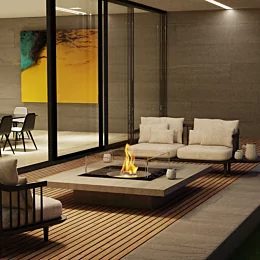
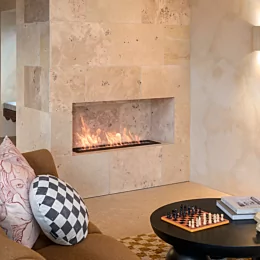
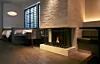
Complement any room with an eco-friendly ethanol indoor fireplace. EcoSmart Fire offer a premium bioethanol indoor fireplace range, with design integrity features at its core.
Indoor Ranges




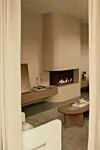
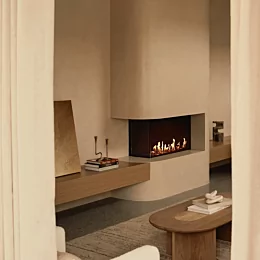
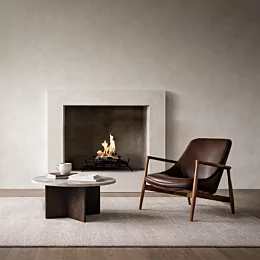



Models
Showing 18 items of 76
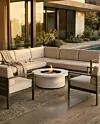
Sidecar 24 Fire Table · EcoSmart Fire
Chaser 38 Fire Table · EcoSmart Fire
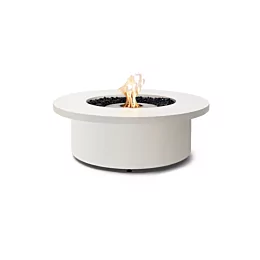
Base 30 Fire Table · EcoSmart Fire
Base 40 Fire Table · EcoSmart Fire
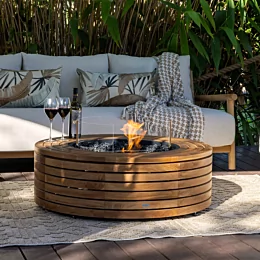
Ark 40 Fire Table · EcoSmart Fire
Mimosa 40 Fire Table · EcoSmart Fire
Mojito 40 Fire Table · EcoSmart Fire
Vertigo 40VL Fire Table · EcoSmart Fire
Vertigo 40L Fire Table · EcoSmart Fire
Vertigo 50VL Fire Table · EcoSmart Fire
Vertigo 50L Fire Table · EcoSmart Fire
Daiquiri 70L Fire Table · EcoSmart Fire
Manhattan 50 Fire Table · EcoSmart Fire
Martini 50 Fire Table · EcoSmart Fire
Cosmo 50 Fire Table · EcoSmart Fire
Wharf 65 Fire Table · EcoSmart Fire
Gin 90 Low Fire Table · EcoSmart Fire
Gin 90 Chat Fire Table · EcoSmart Fire



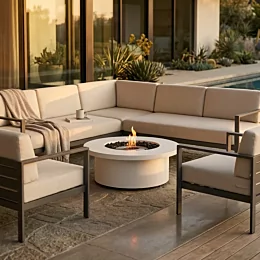


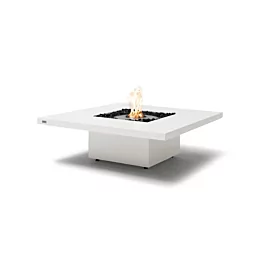


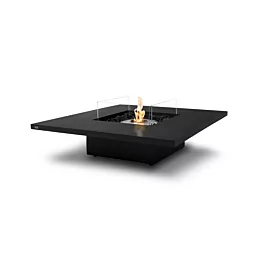
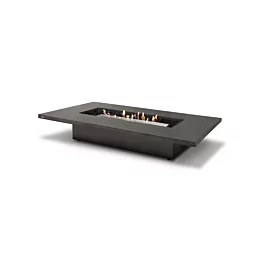


Loading image...
Clean-burning
Bioethanol produces no harmful emissions, just heat, steam and carbon dioxide which is re-absorbed by plants, this means no soot, no smoke, no ash and no mess.
Efficiency over 90%
No flue or chimney means that the heat generated by the fireplace during combustion isn’t lost up the chimney.
Loading image...
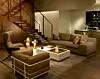
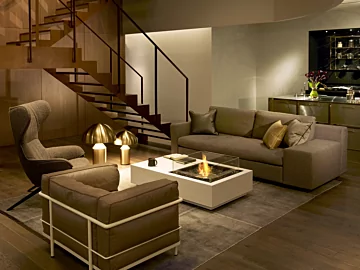
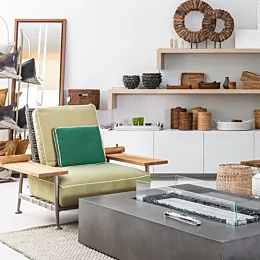
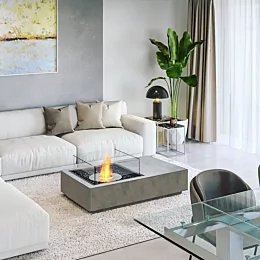
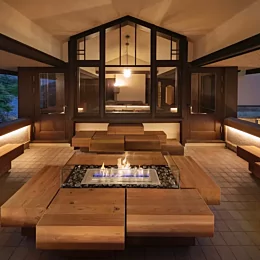
Freestanding models
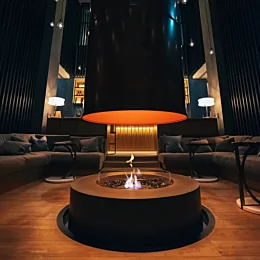
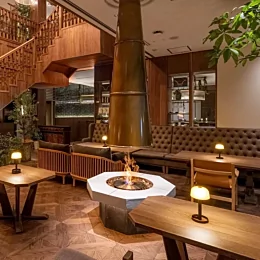
Cleverly refashioning the traditional fireplace concept into a piece of flexible fire furniture means that you can enjoy the simple pleasures of an open fire whenever and wherever you want it.
Loading image...

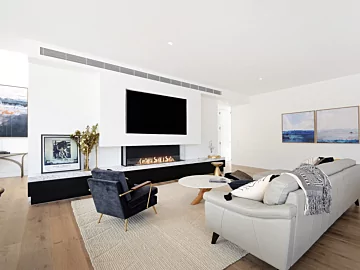
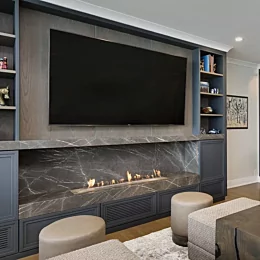
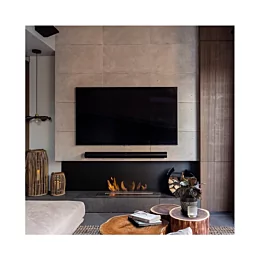
Built-in models
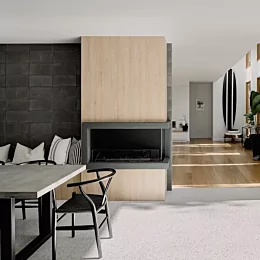
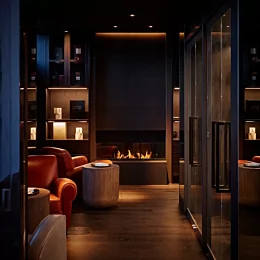
EcoSmart Fire has a design solution for custom-made, built-in fireplaces to fit countless design briefs, floor plans, indoor and outdoor spaces.

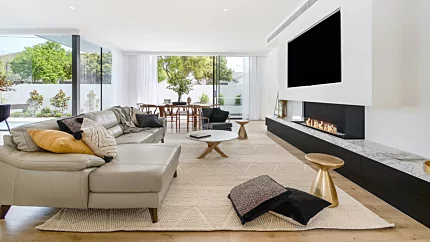
Loading image...

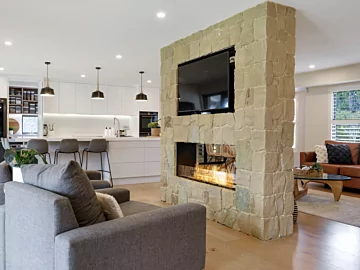
Installation flexibility
EcoSmart Fires can be incorporated at any stage of your interior decorating, renovating or building works.
Design freedom
No need for cabling, gas connecting, chimneys or flues provides creative freedom for homeowners and interior designers.
Loading image...
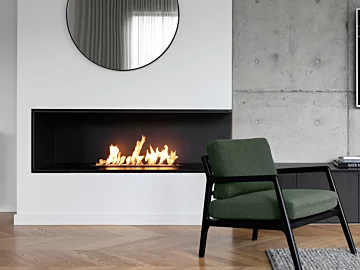
Add value to your property
The presence of a fireplace in your house increases the value of your home.
Loading image...

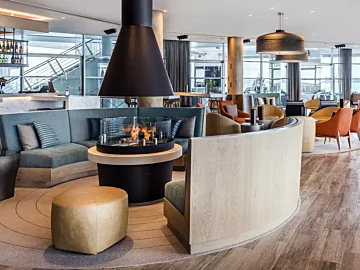 © Alex Wallace Photography
Thoroughly tested worldwide
Our collection has been thoroughly tested against a number of global standards and is O-TL Listed in accordance with UL 1370 in the USA, certified in accordance with EN16647 in Europe and the UK, and satisfies the ACCC Safety Mandate for Australia.
Styled by Our Clients
Loading image...
Loading image...
Loading image...
Loading image...
Loading image...
Loading image...
Loading image...
Loading image...
Loading image...
Related Collections
Learn More
Indoor Fireplaces
Indoor Fire Pits
Indoor Ethanol Fireplaces
FAQ's
What is the difference between an ethanol fire pit and a gel fuel fire pit?
Portable fire pits fuelled by liquid bioethanol and those running on gel fuel differ in three ways: fuel composition, flame quality, and long-term cleanliness.
e-NRG bioethanol is produced at 96–97% purity from fermented corn crops and burns to only heat, water vapour, and CO₂, leaving no smoke, soot, or ash and no odour during use. Gel fuel is a thickened alcohol paste sold in sealed canisters; because it is not formulated for compatibility with a dedicated engineered burner, flame consistency and surface cleanliness can vary over time.
Two further distinctions shape the decision for indoor use:
- Burner compatibility: EcoSmart burners are engineered specifically for bioethanol at 96–97% purity, producing a consistent flame shape and burn duration. Gel canisters are not matched to a dedicated burner system in the same way.
- Indoor safety certification: EcoSmart bioethanol fire pits carry UL 1370 (USA) and EN 16647 BSI (Europe/UK) certification for indoor use, credentials gel fuel fire pits do not typically hold.
For a decorative flame that stays clean over years of use, bioethanol is the stronger choice. EcoSmart Fire bioethanol systems are engineered for exactly that: a real flame, zero-residue combustion, and indoor safety certification that supports confident long-term use.
Do indoor fireplaces add value to your home?
Yes, indoor fireplaces add tangible value to your home. EcoSmart Fire's contemporary bioethanol fireplaces, including linear design installations, command particular appeal in premium property markets, where design-forward features distinguish a home from the competition.
Unlike traditional fireplaces, EcoSmart Fire bioethanol models function as architectural focal points. The clean-burning flame and freedom to install in any room make these fireplaces compelling to design-conscious buyers seeking contemporary aesthetics merged with practical warmth. A striking focal point becomes a reason to linger in a space; in property markets, memorable features justify premium pricing.
The range's design flexibility, from minimalist linear installations to Art Deco and contemporary directions, means the fireplace adapts to your home's aesthetic rather than imposing one. This appeals to buyers who increasingly view sustainable, ventless heating as an expectation in luxury properties. With over 90% combustion efficiency and clean-burning performance, bioethanol fireplaces signal aesthetic sophistication and environmental stewardship, strengthening buyer confidence and property appeal.
How much ventilation does an indoor fire pit require?
A portable fire pit burning bioethanol does not require a flue, chimney, or permanent ventilation fitting. Indoor ventilation is managed through the room’s natural air infiltration, provided the space meets the minimum room size requirements for the burner fitted.
EcoSmart Fire bioethanol burners produce CO2 and water vapour as combustion by-products, requiring sufficient air volume to maintain comfortable indoor air quality. The UL 1370 standard sets the calculation at 5.7 m³ [200 ft³] of air space per 1,000 BTU/h of burner output, which gives the following certified minimum room sizes:
- AB3 burner (5,800 BTU/h): minimum 40 m³ [1,413 ft³]
- AB8 burner (20,433 BTU/h): minimum 116 m³ [4,097 ft³]
If the room does not meet the minimum volume, keep doors to adjacent rooms open or open a window at least 25.4 mm [1 in] during use. Do not operate in bathrooms or very small enclosed spaces, and do not cover any existing ventilation openings in the area.
For AB8 burners used indoors, the Indoor Safety Tray and Burner Efficiency Ring must also be fitted as required under EN 16647.
What is the lifespan of a bioethanol fireplace burner?
EcoSmart Fire bioethanol fireplace burners are built for long-term durability. The Grade 304 stainless steel combustion chamber is designed to last a lifetime with proper care, a standard backed by more than two decades of real-world installations.
The key to longevity is regular maintenance. Clean your burner after every 50 litres of fuel consumed, or whenever black residue appears on the burner surfaces. Keep the lid closed when not in use to prevent debris accumulation and corrosion. Regular checks of residual fuel help maintain consistent performance. With these care practices, EcoSmart Fire burners are designed to serve without a scheduled replacement cycle.
What is the minimum clearance required around an indoor fire pit?
An indoor portable fire pit using bioethanol requires a minimum 600 mm [23.6 in] of clear space from stable furniture, 2,000 mm [78.7 in] of overhead clearance from movable objects, and at least 12.5 mm [0.5 in] of air space beneath the unit.
- Sides: 600 mm [23.6 in] from the flame to fixed, stable furniture such as lounges and dining chairs
- Above: 2,000 mm [78.7 in] from the flame to any overhead item susceptible to movement, including branches, curtains, or paper
- Underside: 12.5 mm [0.5 in] minimum air space between the ground surface and the underside of the appliance sidewalls
- Burner base: must not make direct contact with any flammable material
Place the fire pit on a flat, stable, non-combustible surface. Grass, artificial turf, carpet, rock, and uneven surfaces are not suitable. Use the articulating feet to achieve a level, stable position and to maintain the required underside air gap.
These clearances apply to all bioethanol fire pit and fire table models. Minimum room size requirements, which govern indoor air quality, are a separate specification and depend on the burner fitted.
Do indoor ethanol fireplaces need a chimney?
No, EcoSmart Fire bioethanol fireplaces don't require a chimney. Their clean-burning flame produces only carbon dioxide and water vapour, with no smoke, soot, ash, or flue gases that would need venting. Because no chimney is needed, all the heat from combustion stays in your room instead of escaping up a flue, delivering over 90% thermal efficiency.
This clean combustion unlocks design freedom. You can place an ethanol fireplace on any level surface in a condo, apartment, heritage property, or mid-renovation space without structural modifications, gas lines, or chimney infrastructure. Adequate ventilation in the room is the only practical requirement, which most spaces naturally provide.
What EcoSmart Fire ranges are available for indoor installation?
EcoSmart Fire offers four distinct indoor bioethanol fireplace ranges, each delivering clean-burning flame with different design expressions and installation approaches.
The Flex range is the broadest, spanning 96 models across eight configurations - single-sided, corner, bay, double-sided, peninsula, island, bench, and more. It suits everything from compact apartments to open-plan living areas, with installation completing in under an hour.
For those drawn to classic fireplace character, Heritage delivers compact inserts with iron grate and fire-rated log detailing across three sizes, proportioned for smaller rooms and high-rise apartments where traditional hearth aesthetics matter.
Frame takes an architectural approach: four wall-mounted sizes with a signature protruding steel border, each engineered for retrofit installations into modern interiors where minimal form and premium finish are the priority.
Rounding out the range are fourteen Designer Fireplaces - freestanding models that require no installation at all, ideal for those who want a real flame statement piece without structural commitment.
All four ranges burn bioethanol only, require no chimney, gas line, or electrical connection, and carry international certifications including UL 1370, EN 16647, and ACCC compliance.
What safety features should I look for in an indoor fireplace?
A linear design indoor fireplace combines clean architectural lines with precisely engineered safety features. When evaluating any indoor bioethanol fireplace, look for the following markers of a certified product.
Independent certification is the primary signal. EcoSmart Fire burners are O-TL listed to UL 1370 and were tested by BSI to EN 16647:2015.
Quality indoor fireplaces include several engineered burner safeguards:
- Manual shut-off mechanism for controlled flame termination
- Burner lip design that prevents accidental obstruction of the combustion zone
- Sealed lid cover to exclude dust and debris from the fuel tank when idle
- Flame arrestor spouts on fuel containers to prevent backflash during refilling
- Toughened glass windscreen as a required physical barrier during operation
- Minimum 60-minute cooling period before refuelling
A zero-clearance rating means the unit can be installed against combustible wall materials without structural modifications, a key safety design outcome for linear built-in installations.
Can indoor fire pits be used year-round?
Yes, EcoSmart Fire's freestanding or built-in bioethanol fire pits perform consistently indoors year-round without seasonal limitations. Unlike traditional fireplaces that depend on external venting and seasonal installation, bioethanol systems produce only heat, steam, and CO2, with all combustion managed safely via natural ventilation in rooms meeting EN 16647 specifications.
Your fire pit delivers the same ambience and warmth whether you're using it for summer aesthetics or cooler-month supplementary heating. Burn times stay consistent at 6 to 10 hours per fill. Freestanding models can be repositioned seasonally if your interior layout shifts.
EcoSmart Fire's systems are engineered for consistent indoor performance, backed by EN 16647 certification and over 20 years of global installations.
How do indoor ethanol fireplaces compare to electric fireplaces in running costs?
EcoSmart Fire's bioethanol fireplaces produce a clean-burning flame at a higher per-hour fuel cost than electric; electric fireplaces have lower running costs, but the two technologies serve different needs.
Flame-only mode on an electric fireplace costs roughly $0.01–$0.02 per hour; full heating mode (1,500–3,000W) runs $0.10–$0.24 per hour at typical electricity rates. Ethanol fireplaces have a higher per-hour fuel cost, varying by region and burner size (from smaller AB3 to larger AB8 options). Both operate at high efficiency: EcoSmart Fire bioethanol fireplaces convert over 90% of fuel to usable heat, retained in the room rather than lost through a flue.
The practical difference is in what you get for the spend. Electric fireplaces provide supplementary warmth in smaller spaces with precise control and low operational cost. Ethanol fireplaces deliver a genuine real flame, the sensory and visual quality of which cannot be replicated, along with placement flexibility that requires no gas line, chimney, or structural modification.
Consider total cost of ownership: with no HVAC modifications, specialist installation, or infrastructure investment required, ethanol ownership costs are more straightforward than a per-hour fuel comparison suggests. Installation savings and the enduring appeal of real flame make the fuel premium easy to justify for those prioritising atmosphere and design freedom.